

Learning how to talk confidently is a skill anyone can develop. Whether you’re speaking in meetings, introducing yourself to new people, participating in group discussions, or giving presentations, confidence comes from preparation, practice, and managing your mental state effectively.
The good news is that confident speaking is not something you’re born with. It is a skill that can be learned, strengthened, and improved over time.
Why Do Some People Struggle to Talk Confidently?
Many people assume they lack confidence because they are shy, introverted, or naturally nervous.
In reality, the most common reasons people struggle to talk confidently include:
Fear of being judged
Fear of making mistakes
Overthinking what to say
Lack of experience speaking in groups
Negative past experiences
Low self-confidence
The challenge is that avoiding conversations, meetings, or speaking opportunities often reinforces the fear. The solution is to gradually build confidence through action and practice.
The 3C Framework for Confident Speaking
Here is the framework I have taught to thousands of students to help them speak with more confidence, clarity, and impact. Apply this and you will know how to talk confidently.
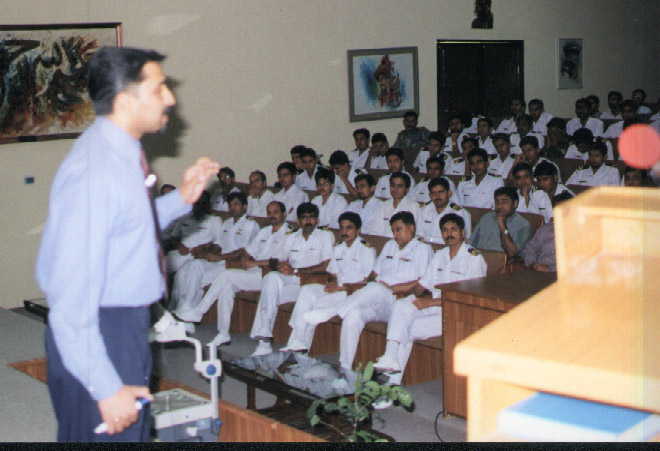
It breaks confident communication into three core elements: I call them the 3Cs:
- Confidence
- Competence
- Congruance
When all three are present, confident communication becomes much easier. When one is missing, speaking often feels awkward, forced, or ineffective.
1. Confidence: Is A State of Mind
Most people think confidence comes from having the right words. In reality, confidence starts with your emotional state. You will learn how to manage and attain your best states in the NLP Practitioner course
If you are anxious, worried about being judged, or focused on making mistakes, your communication will reflect that state regardless of how much knowledge you have.
Before speaking, focus on managing your state:
Take slow, controlled breaths
Sit or stand with your spine straight
Focus on your audience rather than your feelings
The goal is not to eliminate nervousness completely. The goal is to access a more resourceful state before you speak.
2. Competence: Comes with Practice
Confidence grows naturally when you know what you are talking about. This means, prepare well.
Many communication problems are actually preparation problems. Before an important conversation, presentation, or meeting, ask yourself:
What is the main message I want people to remember?
What questions might they ask?
What examples can I use to explain my point clearly?
When you know your content well, your mind is free to focus on connecting with your audience instead of trying to remember what to say next.
3. Congruence: Means Your Verbal and Non-Verbal Are Same
People listen to your words, but they also pay attention to your tone, facial expressions, posture, and body language. Problems occur when these signals conflict.
For example:
Saying “I’m confident” while looking at the floor
Saying “I’m excited” with a flat voice
Saying “I believe in this idea” while appearing hesitant
Congruence occurs when your words, voice, and body language communicate the same message. Say what you mean, mean what you say.
When verbal and non-verbal communication are aligned, people naturally perceive you as more confident, credible, and trustworthy.
The NLP Perspective
One reason the 3C Framework works so well is that it addresses the three areas that most influence communication:
Your emotional state
Your mental preparation
Your behavioral expression
Neuro-Linguistic Programming (NLP) provides practical tools for improving all three. By learning how thoughts, emotions, language, and behavior interact, people can develop greater confidence, stronger communication skills, and more effective leadership abilities.
At NLP Pakistan, these skills are taught through practical application rather than theory alone.
How NLP Pakistan Helps People Build Confidence
NLP Pakistan is a practical training platform focused on helping people develop:
Confidence
Communication skills
Leadership abilities
Emotional mastery
Decision-making skills
Led by Kamran Sultan, a Master Trainer with more than 30 years of experience, over 37,000 training hours delivered, and more than 3,000 students trained, NLP Pakistan provides practical tools that can be applied immediately in everyday life.
The focus is not on theory. The focus is on developing real-world skills that help people communicate more effectively and confidently.

About NLP Pakistan
NLP Pakistan is a subsidiary of The First Institute of Dynamic Learning, LLC (USA)
At NLP Pakistan, led by Master Trainer Kamran Sultan with over 30 years of experience and 37,000 training hours, these skills are taught in Urdu and English through immersive programs. Dr. Richard Bandler himself has endorsed Kamran Sultan’s work.
Our training programs are grounded in real-world applications of NLP refined over 3 decades, not abstract theory. Whether you attend the three-day NLP Bootcamp or the full 21-day NLP Practitioner program, or 27 days NLP Master Practitioner training you gain tools you can use immediately to improve relationships at home, work, and in every area of life.
Frequently Asked Questions
How can I stop being nervous when talking to people?
Focus on the other person, slow your breathing, and prepare a few key points before speaking.
What is the best way to practice talking confidently?
Practice out loud, record yourself, and get feedback from others.
How does body language affect confident speaking?
Posture, eye contact, and tone directly influence how confident you appear and feel.
How can I speak up more in meetings?
Prepare your points in advance and speak early instead of waiting for the perfect moment.
Confident talking improves with practice, preparation, and better self-management. Start building this skill through consistent application in real conversations.
Try NLP Pakistan free for 48 hours and access practical training designed to improve confidence, communication, and leadership skills.